
Laboratory Safety Course Overview
The Laboratory Safety Course introduces learners to the full range of hazards present in lab environments and the programs, procedures, and safe work practices designed to control them.
The course begins with core concepts, including the laboratory’s Chemical Hygiene Plan and the importance of hazard recognition. It then breaks hazards into four key categories—chemical, biological, physical, and safety hazards—so learners can understand each risk type and how to address it.
Throughout the training, employees review routes of exposure, protective measures, emergency responses, and everyday behaviors that help prevent accidents and injuries. By the end, learners are prepared to work more safely and confidently in the lab.
What You’ll Learn
✓ Recognize different hazards found in laboratory settings including chemical, biological, physical, and safety hazards
✓ Identify routes of exposure for hazardous substances including inhalation, skin contact, ingestion, and injection
✓ Understand the Chemical Hygiene Plan and its role in protecting laboratory workers
✓ Apply safe work practices for handling chemicals, biological agents, and laboratory equipment
✓ Select appropriate PPE based on hazard assessment and exposure potential
✓ Follow laboratory protection programs including engineering controls, administrative controls, and emergency procedures
✓ Respond effectively to emergencies including spills, exposures, and equipment failures
Laboratory Safety Course Content
Lesson 1: Introduction and Objectives
Scope of laboratory hazards, importance of laboratory safety training, overview of hazard categories (chemical, biological, physical, safety), and prevention strategies
Lesson 2: Chemical Hazards
Chemical Hygiene Plan requirements, hazard classification (flammables, corrosives, toxics, carcinogens), routes of exposure (inhalation, skin absorption, ingestion, injection), chemical storage and handling, fume hoods and ventilation, spill response procedures, and personal protective equipment selection
Lesson 3: Biological Hazards
Bloodborne pathogens and infectious agents, biosafety levels (BSL-1 through BSL-4), standard precautions and universal precautions, engineering controls (biological safety cabinets), safe handling of specimens, sharps safety, waste disposal procedures, and post-exposure protocols
Lesson 4: Physical Hazards
Laboratory equipment hazards (autoclaves, centrifuges, cryogenic materials, hot plates), electrical safety in wet environments, extreme temperatures (hot and cold), noise exposure, ergonomic hazards (repetitive motion, awkward postures), compressed gas cylinders, and vacuum systems
Lesson 5: Safety Hazards
Slip, trip, and fall prevention, fire safety and emergency evacuation, eyewash stations and safety showers, emergency equipment location and use, incident reporting procedures, housekeeping and clutter control, and personal conduct in laboratories (eating, drinking, applying cosmetics)
See Our Courses In Action
Preview sample courses to see our format, content quality, and interactive features before you purchase.
Who Should Take Laboratory Safety
🔬 Clinical Laboratory Technicians
Medical laboratory scientists and technicians performing diagnostic testing
🧬 Research Laboratory Personnel
Scientists and technicians in research and academic laboratory settings
🏥 Hospital Laboratory Staff
Chemistry, microbiology, hematology, and other hospital laboratory departments
🧪 Chemistry Laboratory Workers
Personnel handling chemical reagents and analytical procedures
🔬 Microbiology Laboratory Staff
Technicians working with infectious agents and culture media
👥 All Laboratory Employees
Students, trainees, maintenance staff, and anyone entering laboratory areas
Certificate & Compliance
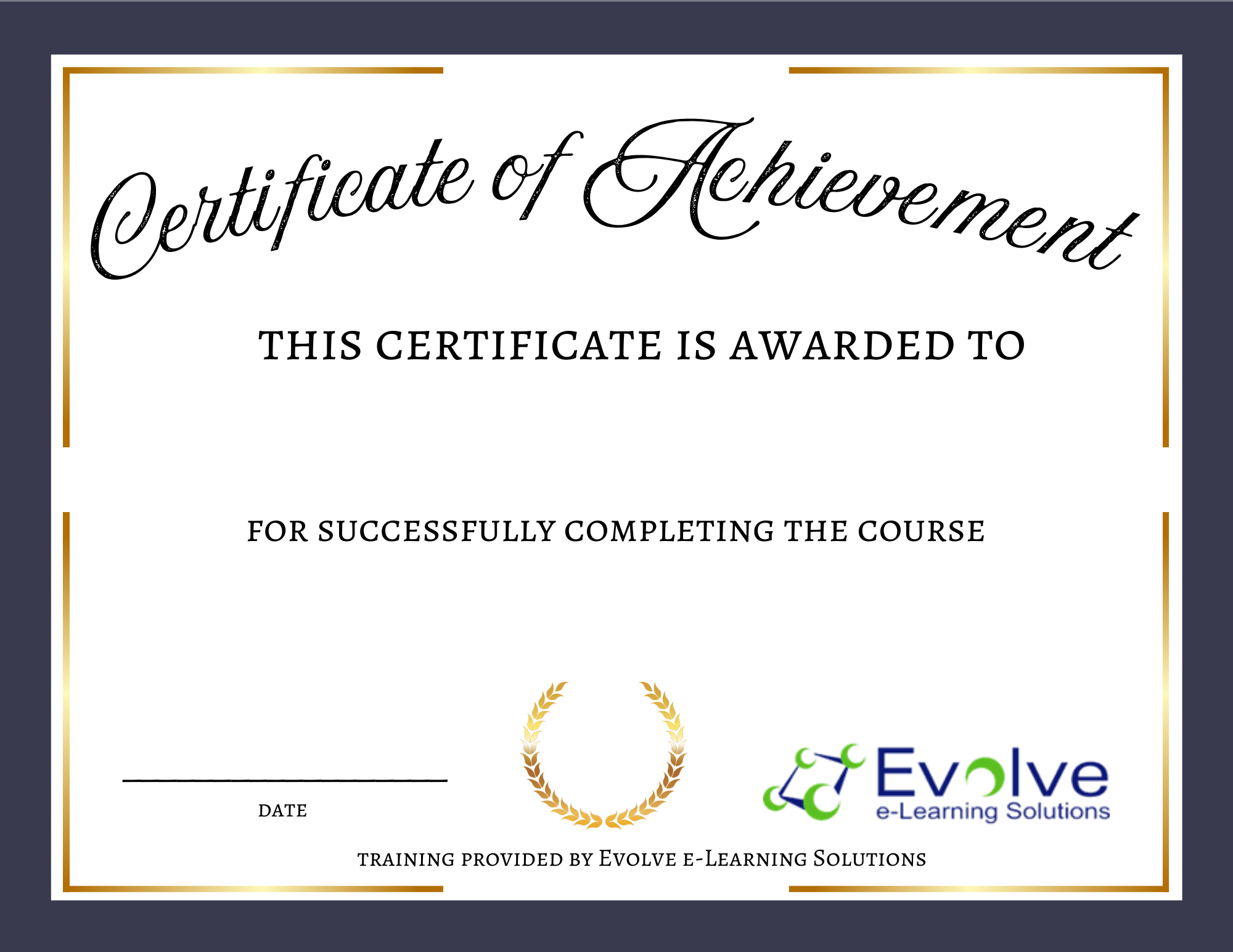
Upon successful completion, learners receive an official certificate of completion documenting their laboratory safety training for OSHA compliance and facility safety programs.
The course includes assessments that verify understanding of hazard recognition, routes of exposure, safe work practices, and emergency procedures specific to laboratory environments. Certificates are generated immediately and can be downloaded or printed for employee files and compliance documentation.
Supports Compliance With:
- OSHA 29 CFR 1910.1450: Occupational Exposure to Hazardous Chemicals in Laboratories
- OSHA Bloodborne Pathogens Standard (29 CFR 1910.1030)
- OSHA Hazard Communication Standard (29 CFR 1910.1200)
- CDC Biosafety in Microbiological and Biomedical Laboratories guidelines
- Chemical Hygiene Plan requirements
- Laboratory accreditation standards (CAP, CLIA, Joint Commission)
Choose How Your Team Learns
 Use our ELMS
Immediate access with zero setup
Fast & Easy Setup
Automatic progress tracking and reporting
Built-in certificate generation
No technical expertise required
Automated Course Recertification
 Use Your Own LMS
License SCORM files for your system
Integrate with your existing platform
Maintain centralized training records
Compatible with all major LMS platforms
Full technical specifications provided
Dedicated support included
Why Choose Evolve?
🎯
Expert-Developed Content
Courses feature realistic scenarios, engaging multimedia, and knowledge checks to reinforce learning. Content developed by compliance experts ensures accuracy and relevance.
📱
Accessible Anywhere
Complete training anytime, anywhere on PCs, tablets, or smartphones. Your team can learn at their own pace without disrupting daily operations or scheduling conflicts.
🎬
Engaging & Effective
Scenario-based learning & interactive elements promote retention better than lecture-style courses
📊
Trackable and Reportable
Monitor completion rates, track progress, and generate compliance reports. Maintain detailed records for audits and regulatory requirements.
💰
Transparent Pricing
Simple per-seat pricing with no hidden fees, surprise charges, or mandatory bundles. Volume discounts make compliance training affordable for organizations of any size.
⚡
Easy Implementation
Begin training your team immediately – no lengthy implementation or waiting periods
📈
Scalable Solutions
Whether training 5 employees or 500, our platform scales to meet your organization’s needs. Custom course bundles available to address your specific training requirements and budget.
✓
Consistent Quality Training
Every learner receives the same high-quality, up-to-date content. Standardized training ensures your entire organization maintains consistent compliance knowledge.
💬
Ongoing Support
Dedicated customer support available to assist with questions, technical issues, or training customization needs.
Laboratory Safety Course FAQs
PROTECT YOUR LABORATORY WORKERS
Give Your Team the Knowledge to Work Safely With Hazardous Materials
Laboratory work is essential but hazardous. Ensure OSHA compliance and protect your employees with comprehensive laboratory safety training that covers chemical, biological, physical, and safety hazards specific to healthcare and research laboratory environments.
Trusted by hospital laboratories, research facilities, clinical labs, and diagnostic centers committed to worker safety